
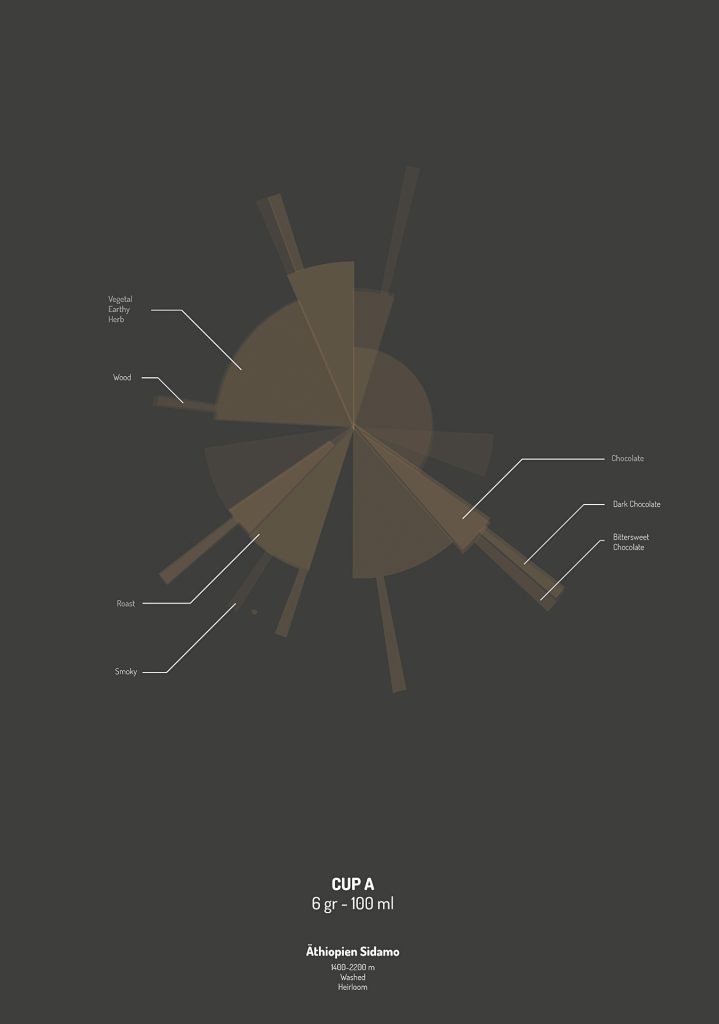
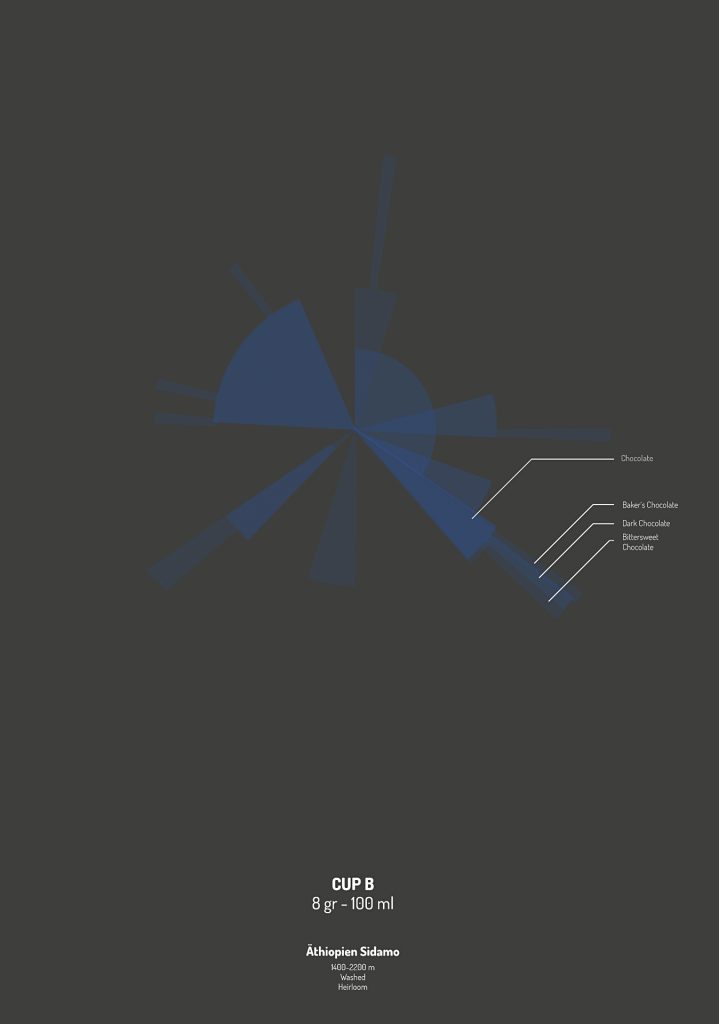
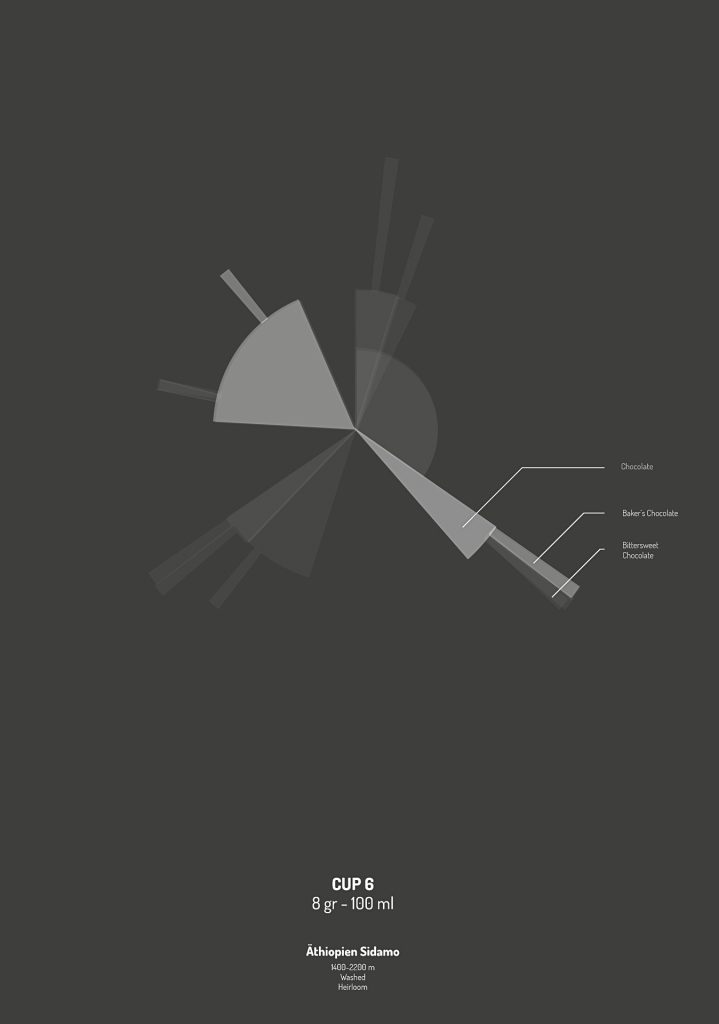
This project investigates sensory awareness in coffee consumption through two distinct design experiments aimed at sharpening the “tasting” experience.
Experiment 1: Material and Perception
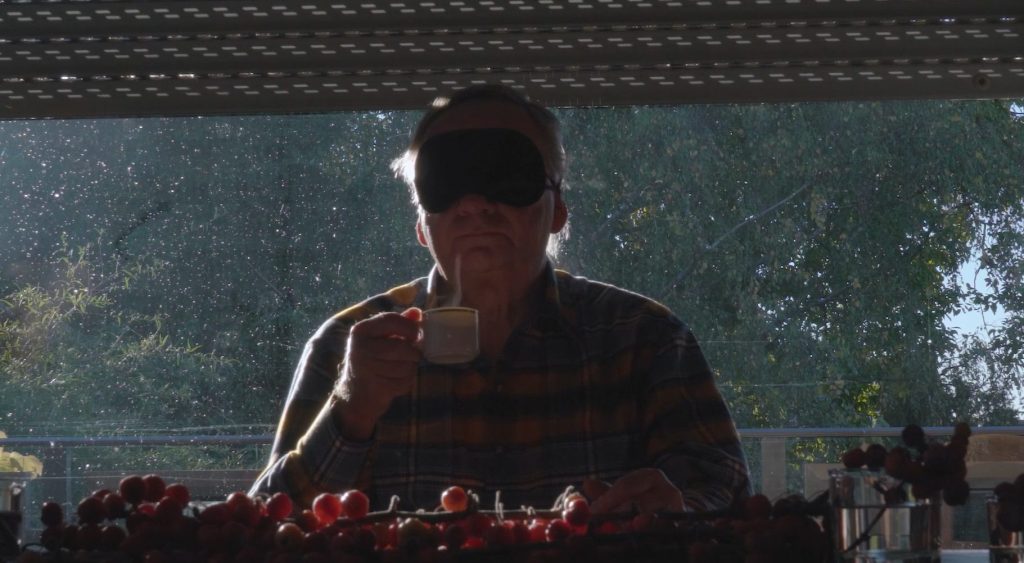
Using blind testing (eyes covered), participants evaluated identical coffee served in porcelain, glass, and paper cups. The study revealed that material significantly influences perception:
-
Porcelain yielded the highest average for “body” ($5.6/10$).
-
Porcelain and Paper were perceived as having higher quality ($4.4/10$) and a higher average price point ($3.3$ €) compared to glass ($2.8$ €).
Experiment 2: Color, Synesthesia, and Ratio
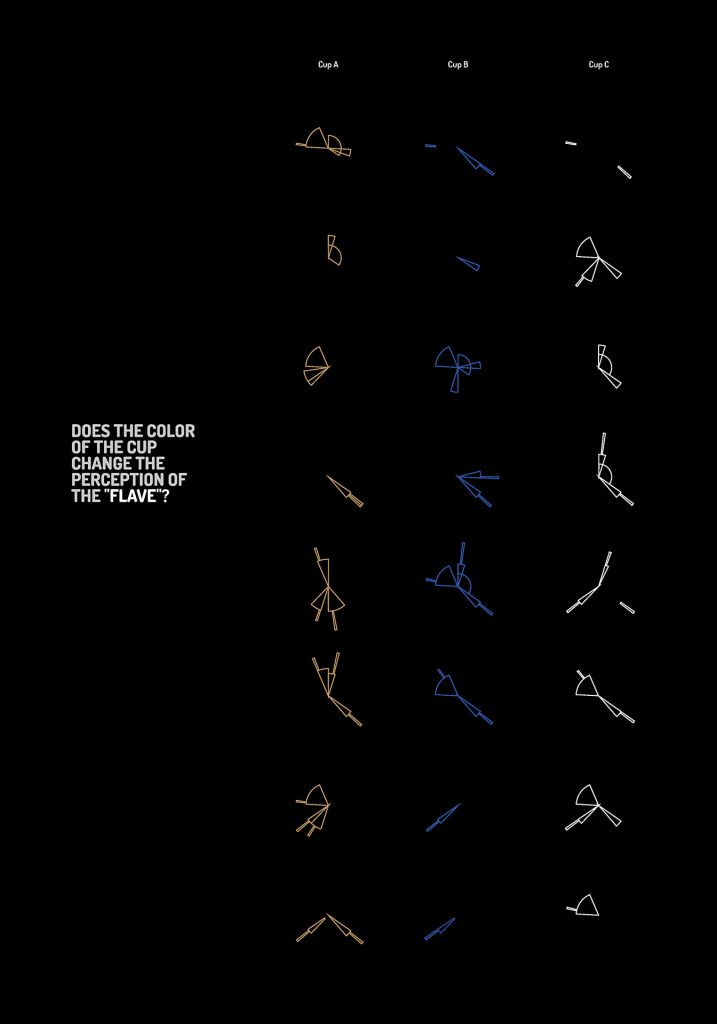
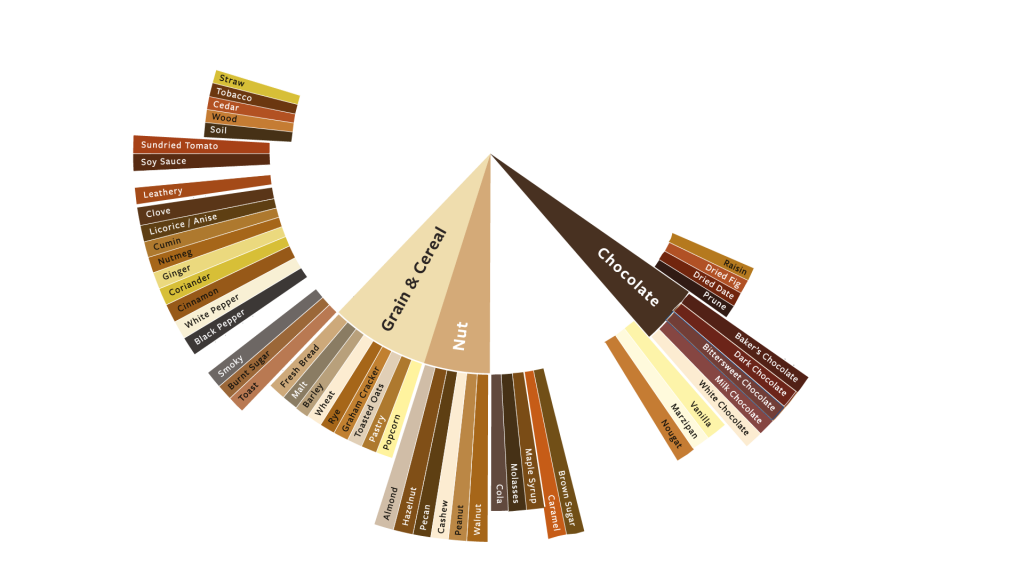
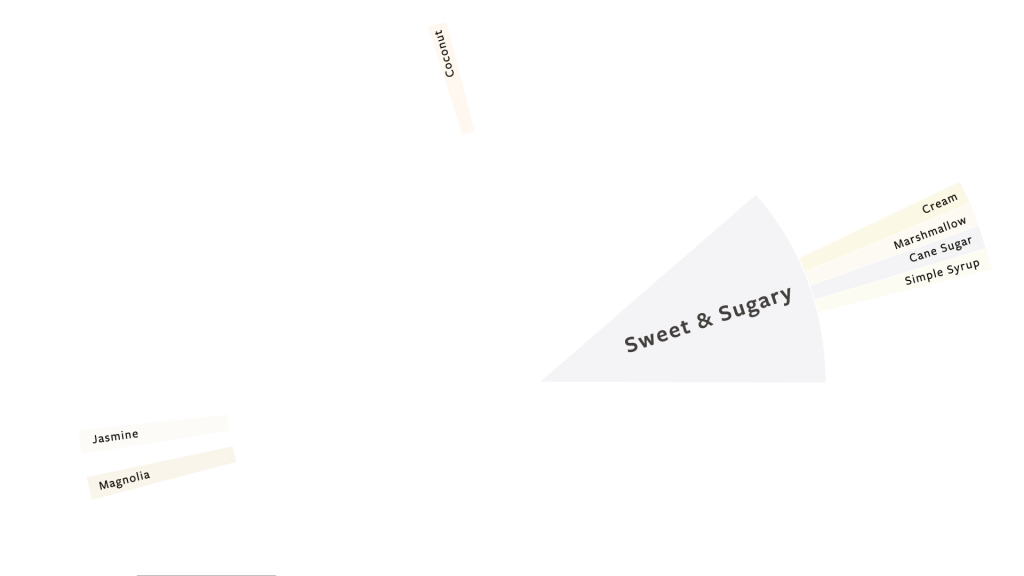
Using Ethiopian coffee and the SCA Coffee Tasters Flavor Wheel, this stage tested whether cup color (yellow, blue, white) affected flavor notes. While the white cup produced a more concentrated and narrow flavor spectrum, the study concluded that the coffee-to-water ratio was a more dominant factor in perception than color synesthesia.
Design Conclusions
For designers, these findings suggest that coffee shops should evolve into pedagogical spaces. By integrating educational tools—such as flavor maps inside cups, coffee routes on place mats, or color-coded vessels aligned with the SCA wheel—designers can transform a routine habit into an informed, multi-sensory act of learning.